
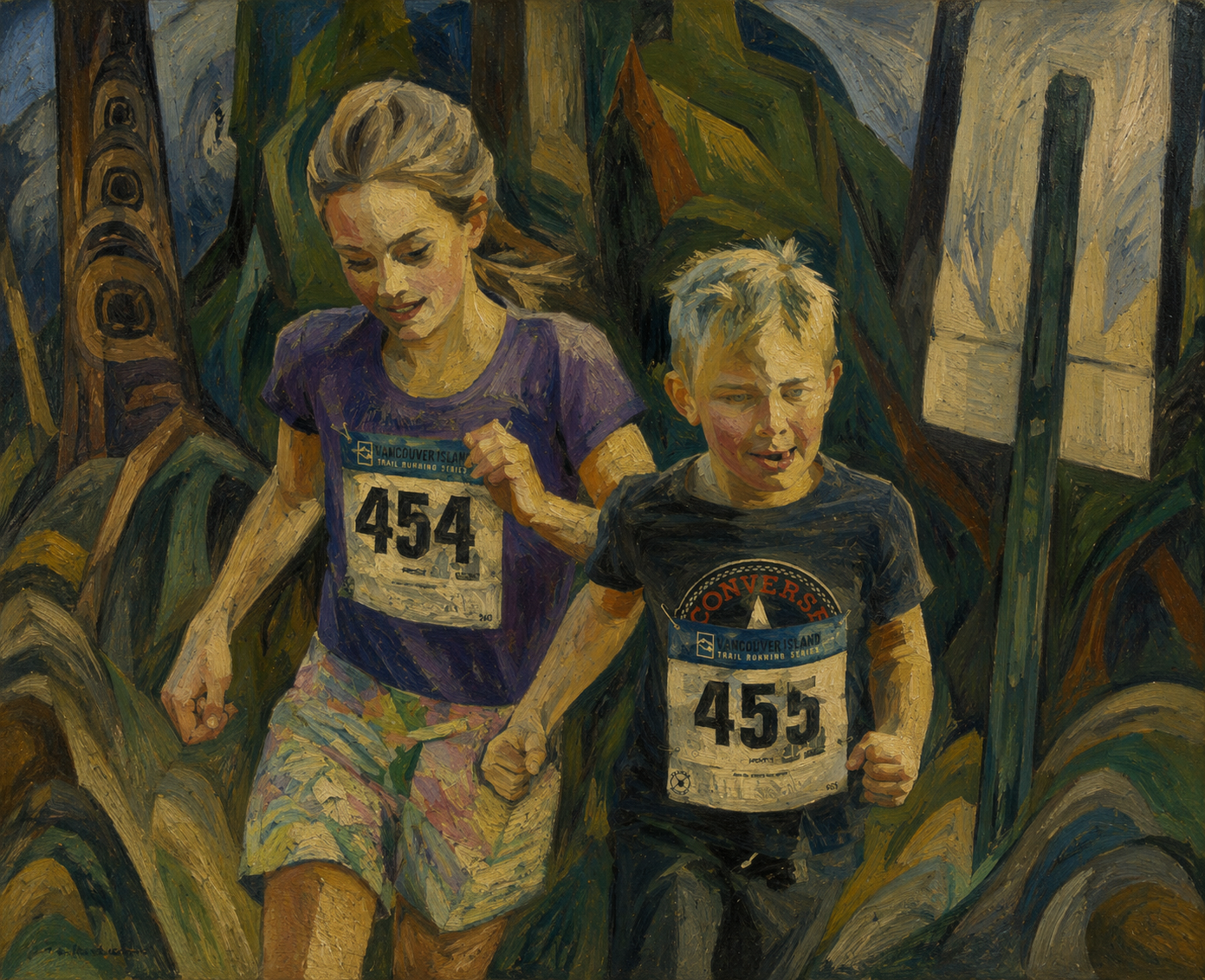
It’s the merry month of May, therefore, closing in on the end of the school year for children in the Northern Hemisphere. Late May and throughout June schools everywhere have an outdoor day to celebrate sports.
Now, five years in, Kids’ Athletics Day organized by World Athletics is no longer a niche initiative tucked into the global athletics calendar. It has become a growing movement, one measured not in medals or records, but in participation, joy, and the simple act of getting children moving.
Around the world on May 7, schools, clubs, and communities are marking the fifth edition of Kids’ Athletics Day with a month-long campaign designed to inspire at least 700,000 additional children to become active in 2026. The broader ambition is equally significant: pushing total participation beyond two million youngsters since the program’s launch.
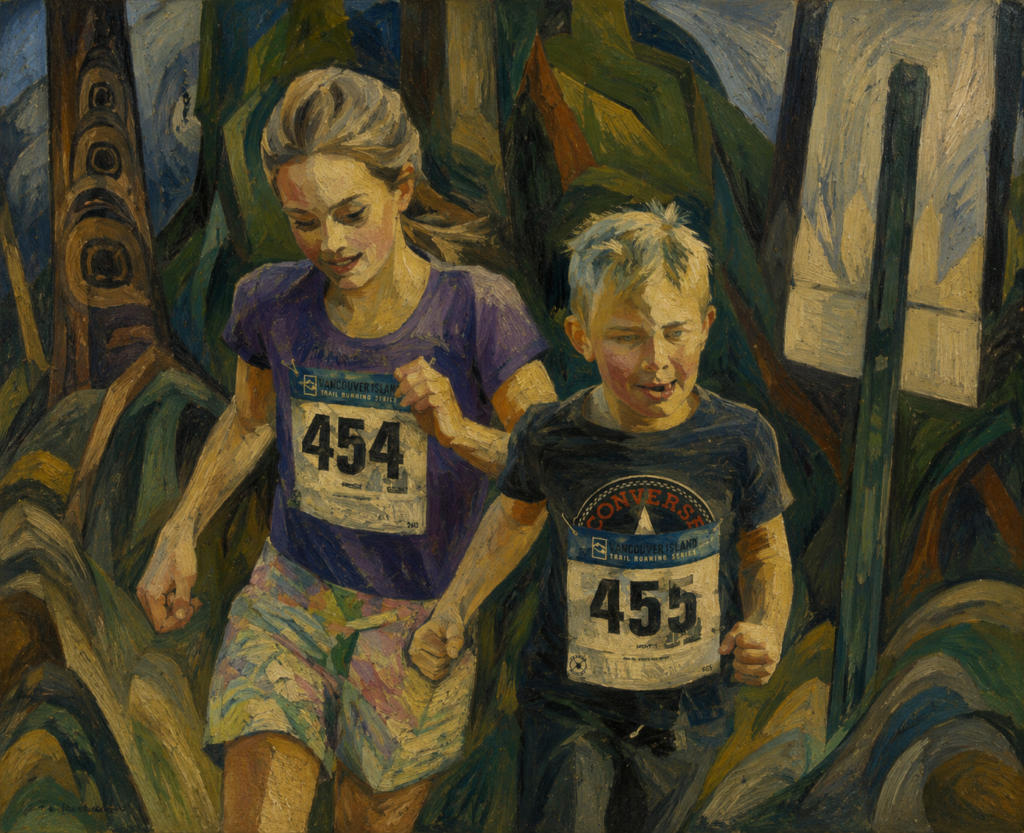
Kids’ Athletics, a global initiative driven by the sport’s governing community, uses athletics as a gateway to movement and physical literacy. Since debuting in 2022, the annual celebration has steadily expanded, reaching approximately 1.3 million children through inclusive and age-appropriate activities that emphasize participation ahead of performance.
This year’s theme centres on the power of “FIVE” — recognizing five years of growth while reinforcing the importance of connection, creativity, and shared experience through sport. The campaign encourages local organizers to shape activities that reflect their own communities while contributing to a collective global objective: helping more children move more often.
The 2026 edition launched with fitting energy in Botswana, where Olympic 200-metre champion Letsile Tebogo joined 50 local children for a special activation ahead of the World Athletics Relays Gaborone 26. Serving as a Kids’ Athletics ambassador, Tebogo participated in relay-themed games and movement challenges designed to introduce children to athletics in an accessible and playful environment.
The symbolism was hard to miss. Botswana’s global sprint star, fresh from elevating the profile of athletics across Africa, sharing a track with children discovering the sport for the first time.
That intersection — elite inspiration meeting grassroots participation — remains central to the philosophy behind Kids’ Athletics. The program intentionally strips athletics back to its most universal elements: running, jumping, throwing, and playing. In doing so, it reaches beyond traditional competitive structures and taps into something more foundational.
At a time when many countries continue to wrestle with declining youth activity levels and increasing screen dependency, initiatives built around fun and accessibility carry growing relevance. The emphasis is not talent identification. It is engagement.
And if the first five years are any indication, the appetite exists.
From community tracks to schoolyards, Kids’ Athletics Day has evolved into one of the sport’s most effective global participation platforms. The next milestone—two million children reached—now feels less like an aspiration and more like the natural next stride.
Alongside the festivities, the Botswana Athletics Association welcomed more than 400 children to a Kids’ Athletics Day festival staged just outside the National Stadium in Gaborone. For many, the day extended well beyond participation activities. The children were later invited into the stadium to witness the World Athletics Relays Gaborone 26 firsthand, with tickets provided through World Athletics and the local organizing committee.
For a select group, the experience moved from memorable to unforgettable.
Several children were given the rare opportunity to step directly onto the track as baton kids during a number of the 4×400-metre races, including all finals. Standing alongside some of the world’s best athletes under the stadium lights, they handed race batons to each team during introductions before joining in the pre-race ceremony.
There were high fives, smiles, nervous excitement, and moments unlikely to fade anytime soon. Athletes welcomed the youngsters into the atmosphere rather than merely beside it, creating a connection between elite competition and grassroots participation that felt genuine rather than ceremonial.
For children experiencing athletics from the inside, not simply from the stands, the impact carried obvious significance. The distance between fan and athlete disappeared, if only briefly.
That access is part of what continues to separate Kids’ Athletics from many traditional youth sport initiatives. The program does not simply encourage children to watch athletics; it invites them into the experience itself.
In Gaborone, that philosophy came alive in the most tangible way possible: children sharing the track with the very athletes they had come to cheer.
As participation numbers continue climbing toward the ambitious two-million mark, federations across the globe are beginning to turn the campaign into something resembling a friendly international competition of its own.
Early momentum belongs emphatically to Uganda.
Uganda leads global leaderboard
After just six days of activity during the May 1-31 campaign window, Uganda surged to the top of the global leaderboard with more than 37,000 children participating through 22 separate activations nationwide. The scale of engagement reflects both the country’s longstanding investment in grassroots athletics and the increasing reach of the Kids’ Athletics model across schools and communities.
Behind Uganda, a tightly packed chase group is beginning to emerge. Benin, Brazil, Kenya and Venezuela have each already inspired approximately 5,000 children to participate through multiple local events and activations.
Brazil’s contribution has been particularly expansive in scope. More than 54 activations have already taken place across the country following a coordinated national campaign led by the Confederação Brasileira de Atletismo. With more than 80 athletics training centres involved nationwide, the federation has added an extra layer of incentive by recognizing the training centre demonstrating the strongest level of engagement throughout the campaign.
The numbers themselves are impressive, but they also reveal something deeper about the direction of the sport globally.
For years, athletics has searched for more effective ways to connect elite competition with grassroots development. Kids’ Athletics appears to be succeeding because it lowers the barrier to entry. The emphasis is not technical perfection or early specialization. It is movement, participation, and enjoyment.
That formula continues to resonate across vastly different sporting cultures — from East African running communities to South American development programs — creating a rare sense of shared momentum within the sport.
And with more than three weeks still remaining in this year’s campaign, the leaderboard is likely only beginning to take shape.
This year’s Kids’ Athletics Day campaign runs until 31 May so there is still a long way to go. Check out kidsathleticsday.org for real time results and everything you need to activate in your own community.