
Sodium bicarbonate, a legal performance-enhancing supplement, is attracting renewed attention among endurance athletes. Its established benefits are most apparent in high-intensity efforts lasting from about 30 seconds to 12 minutes. New research, however, suggests it may also help athletes maintain performance late in prolonged exercise.
Olympic 800-metre runners Marco Arop and Keely Hodgkinson, along with marathoners Eliud Kipchoge and Yomif Kejelcha, have been associated with using sodium bicarbonate. Their events differ dramatically in duration and demands, raising an interesting question: could a supplement traditionally associated with high-intensity exercise also benefit athletes competing over longer distances?
The underlying physiology offers a possible explanation.
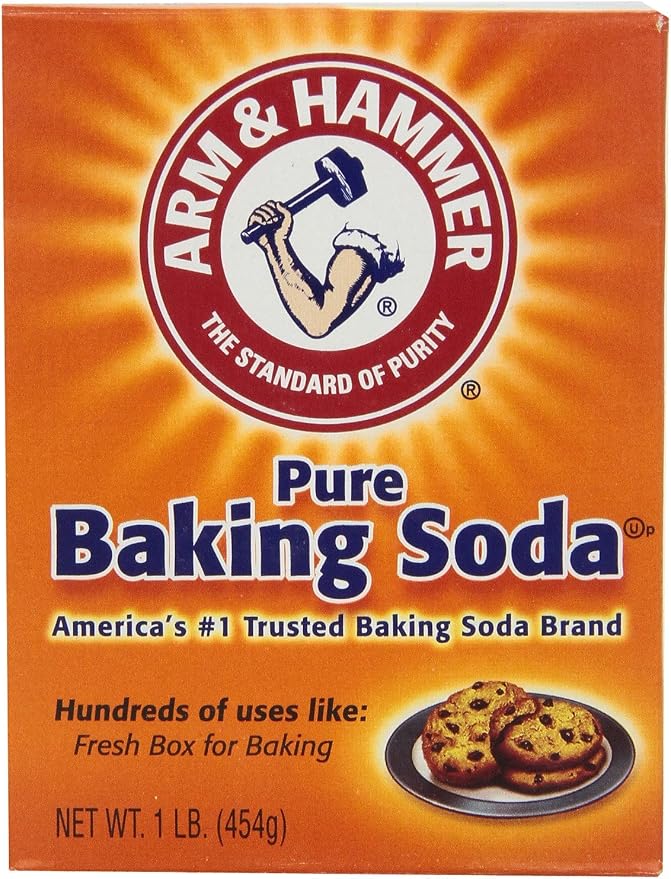
Despite popular opinion, sodium bicarbonate does not prevent lactate production. Instead, it acts as an extracellular buffer, helping the body manage rising hydrogen-ion concentrations and the associated decline in pH during intense exercise. This may delay fatigue and help athletes sustain high-intensity efforts.
The performance benefits are well documented in several sports, although the evidence is strongest for relatively short, demanding efforts rather than continuous marathon running.
A 2021 position stand published in the Journal of the International Society of Sports Nutrition reviewed the available research on sodium bicarbonate supplementation. The review concluded that it can improve performance in high-intensity running, cycling, swimming and rowing, as well as in several combat sports and muscular-endurance activities.
The researchers also examined differences between men and women, dosage, repeated and multi-day use, long-term supplementation, side effects, and potential combinations with creatine and beta-alanine.
The review identified gastrointestinal distress—including bloating, nausea, vomiting and abdominal pain—as the most common drawbacks. Individual responses vary, and these effects can undermine performance if supplementation is poorly tolerated.
Read the full review in the Journal of the International Society of Sports Nutrition.
A new application for endurance athletes?
Research published by Liverpool John Moores University scientists in September 2026 adds another dimension to the evidence.
In a study titled Bicarbonate and Carbohydrate Co-Ingestion During Exercise in a Novel Gel Format Improves Time-Trial Performance After 3 h of Moderate-Intensity Exercise in Trained Cyclists, Bernardo R. Norte and colleagues investigated whether combining carbohydrates with sodium bicarbonate during prolonged exercise could help athletes maintain their performance as fatigue accumulated.
The randomized crossover study involved 11 trained cyclists. Following an initial assessment of their fresh-state performance, the cyclists completed three hours of moderate-intensity cycling while consuming carbohydrates, either alone or alongside a bicarbonate-containing gel. They then completed high-intensity performance tests.
The bicarbonate condition included 18 grams of sodium bicarbonate and two grams of potassium bicarbonate, alongside carbohydrate intake.
The researchers reported improved performance in the final 12-minute time trial when bicarbonate was combined with carbohydrates, compared with carbohydrates alone. No significant improvements were found in the six-second sprint tests or the two-minute effort. Gastrointestinal side effects were generally mild.
“One of the main conclusions from this study is that this new energy-gel format may offer endurance athletes a practical nutritional strategy for achieving blood alkalosis and improving performance,” explained Dr Julien B. Louis, professor of Nutrition and Exercise Physiology and supervisor of the project.
Blood samples collected during the experiment supported the physiological explanation: bicarbonate helped counter the acid-base disturbance associated with intense exercise.
The findings are notable because the supplement was administered during prolonged exercise, rather than simply before a short, high-intensity event. The results suggest that bicarbonate may help preserve certain high-intensity capabilities after fatigue has accumulated.
However, the study was small, involving only 11 cyclists, and its findings should be interpreted accordingly. The results do not establish that the same strategy will improve marathon performance, nor do they establish the ideal protocol for runners.
Could bicarbonate help marathoners avoid the wall?
The marathon presents a different challenge from an 800-metre race or a short cycling time trial. Success depends on aerobic capacity, training, pacing, carbohydrate availability and the ability to sustain a demanding pace over 42.2 kilometres.
The familiar marathon wall, often associated with the depletion of available carbohydrate stores, is not simply a consequence of rising hydrogen-ion concentrations. Sodium bicarbonate therefore cannot be assumed to prevent it. Some of the recent change in performance may be attributed as much to the use of super shoes.
Nevertheless, the Liverpool study raises a question worth investigating: could bicarbonate help marathoners preserve their ability to respond to surges, maintain pace or finish strongly after two or more hours of running at race effort?
That possibility remains speculative. The study examined cyclists, not marathon runners, and did not demonstrate that bicarbonate prevents late-race slowing or improves marathon times.
Further research involving trained distance runners would be needed to establish whether the strategy offers a meaningful advantage in competition.
The remaining obstacle: gastrointestinal distress
One reason sodium bicarbonate was not until recently universally adopted is the difficulty of tolerating it. The doses used in performance research can cause substantial gastrointestinal discomfort in some athletes.
Researchers have investigated ways to reduce these problems, including adjusting the dose and timing, taking bicarbonate with food, using enteric-coated capsules, and dividing supplementation into smaller amounts.
The new gel-based approach offers another potential option, although its tolerability and effectiveness need to be assessed in larger studies and across different sports.
Sodium bicarbonate is already supported by substantial evidence as a performance aid for certain high-intensity efforts. The emerging research suggests that its applications may extend to maintaining high-intensity performance after prolonged exercise.
Whether it will become a useful tool for marathon runners is another question. For now, the science provides a reason to investigate—not proof that bicarbonate is responsible for faster marathons or the apparent disappearance of the wall among elite runners.