
© Copyright – 2026 – Athletics Illustrated
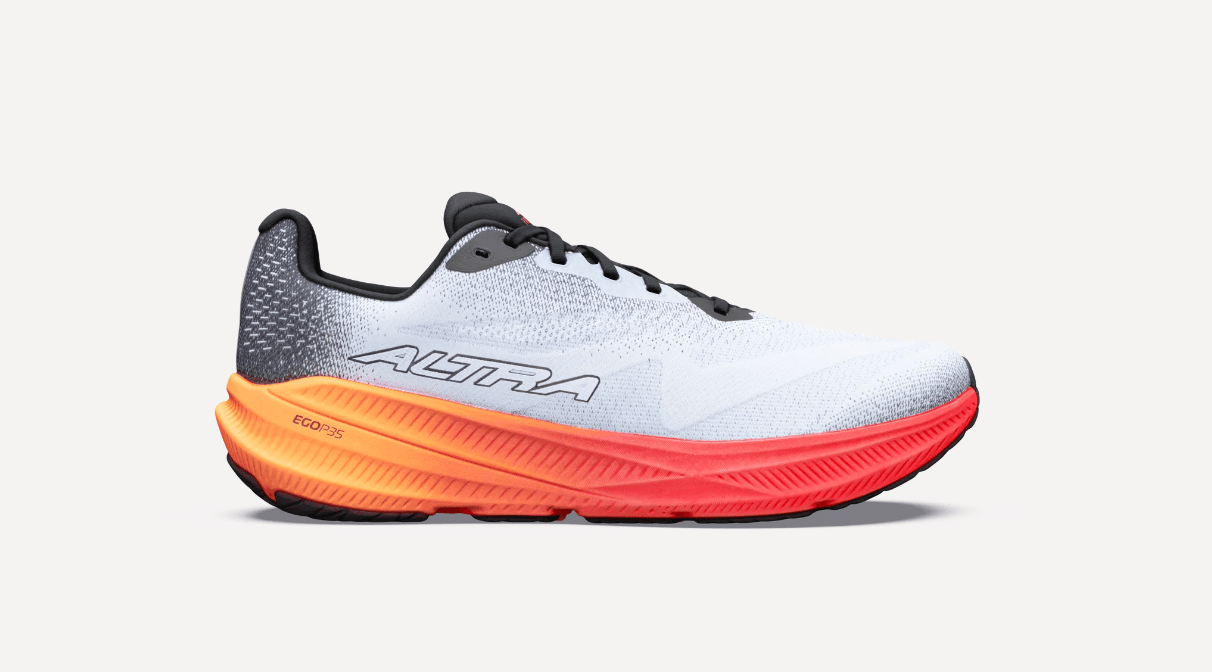
The Altra Experience Flow 3 is a lightweight road-running shoe priced at approximately $180 CAD ($130 USD, €111). The shoe features a 4 mm heel-to-toe drop. Altra’s signature foot-shaped anatomical toe box, an EGO P35 foam midsole, and a redesigned breathable engineered mesh upper free the feet, and for anyone who experiences discomfort from tight or ill-fitting shoes, Altra, throughout its lineup, especially leads the industry in this experience.

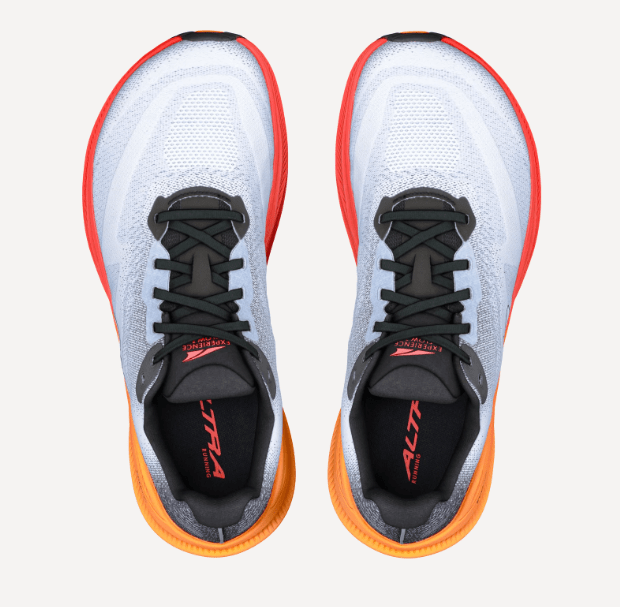
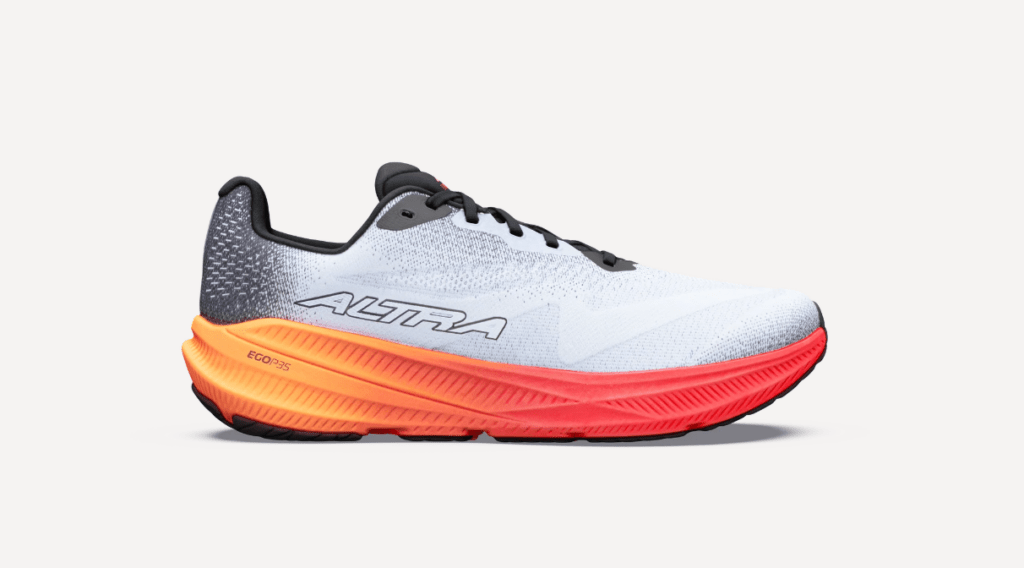
For those who experience metatarsal issues with conventionally shaped shoes, they will find that the natural curvature of the shoe, wide toe box, and low drop are a great relief. This will make all runs, especially longer ones, more enjoyable.
Weight
Comes in around 9.0–9.6 oz for a men’s US 10.5, giving the shoe a notably nimble feel underfoot. It’s light enough to disappear on easy days without drifting into the stripped-down territory of a pure tempo trainer.
Midsole and ride
Built on EGO P35 foam with a 32 mm heel / 28 mm forefoot stack, the Flow 3 leans toward a slightly firm, stable, and controlled ride. The modest rocker helps guide the foot forward without feeling intrusive, producing a smooth, predictable roll ideal for daily mileage.
Upper and fit
The engineered mesh is a clear step up from the Flow 2—better structure, better durability, and better breathability. The heel collar is padded and secure, locking in the rearfoot without excess bulk.
Toe box
Altra’s FootShape design remains intact, offering natural toe splay. Some testers note the forefoot feels a touch more structured and fitted than previous versions, but still roomy compared to most traditional trainers.
Pros and cons
Pros
- Lightweight for a daily trainer
- Breathable upper
- Spacious toe box for natural mechanics
- Stable base with a controlled ride
- Gentle 4 mm drop, accessible for runners transitioning toward lower-drop footwear
Cons
- Not designed for fast-tempo work or race-pace efforts.
- The 4 mm drop may require adaptation for runners accustomed to high-stack, high-drop shoes.
Although these “cons” are listed, the author observed strong performance and comfort during a sub‑lactate‑threshold workout that included a 3 km warm‑up, 60 minutes at near‑threshold intensity, and a relaxed 3 km warm‑down.